
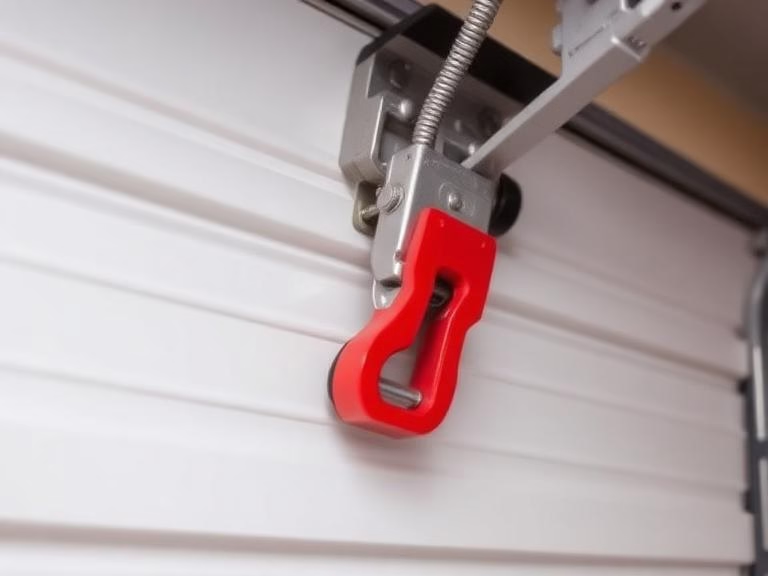
Garage door cables are among the most important components of a garage door system. These heavy-duty steel cables work alongside springs to safely lift and lower the door. When a cable breaks, the garage door can become difficult to operate, uneven, or completely unusable. Understanding what causes garage door cables to break can help homeowners prevent unexpected failures, improve safety, and reduce repair costs.
The Role of Garage Door Cables
Garage door cables are designed to support the weight of the door while working with the spring system. As the door opens and closes, the cables help distribute weight evenly and maintain proper balance.
Because garage doors can weigh hundreds of pounds, the cables are constantly exposed to tension and stress. Over time, this wear can eventually lead to failure.
Normal Wear and Tear
One of the most common causes of garage door cable failure is simple wear and tear.
Every time the garage door opens and closes, the cables experience tension. After thousands of operating cycles, the steel strands may begin to weaken and fray.
Common signs of wear include:
- Frayed cable strands
- Loose cable sections
- Visible thinning
- Minor unraveling
As cables age, they become more vulnerable to snapping under normal operating conditions.
Rust and Corrosion
Moisture is a major enemy of garage door cables.
Over time, humidity, rain, snow, and condensation can cause rust to form on steel cables. Corrosion weakens the individual strands and reduces the cable’s overall strength.
Rust-related cable damage is especially common in regions with:
- High humidity
- Heavy snowfall
- Frequent rain
- Significant seasonal temperature changes
Regular inspections and lubrication can help reduce the risk of corrosion.
Broken or Worn Garage Door Springs
Garage door springs and cables work together as a system.
When a torsion spring or extension spring becomes worn or breaks, the cables often experience increased tension. This extra stress can accelerate cable wear and eventually cause failure.
Warning signs of spring problems include:
- Loud snapping sounds
- Heavy garage doors
- Uneven door movement
- Difficulty opening the door
Replacing worn springs promptly can help protect the cables from excessive strain.
Improper Garage Door Balance
A properly balanced garage door distributes weight evenly across the system.
If the door becomes unbalanced due to spring issues, damaged hardware, or installation problems, one cable may carry more weight than the other. This uneven load can cause premature cable wear.
Signs of an unbalanced garage door include:
- Crooked door movement
- One side lifting faster than the other
- Jerky operation
- Uneven cable tension
Professional adjustments can restore proper balance and prevent cable damage.
Poor Maintenance
Lack of maintenance is a leading contributor to garage door cable problems.
Many homeowners focus on the garage door opener while overlooking the cables, springs, rollers, and tracks.
Without routine maintenance:
- Dirt accumulates on components
- Rust develops more easily
- Moving parts experience greater friction
- Small issues go unnoticed
Annual garage door inspections can help identify cable wear before it becomes a major problem.
Damaged Rollers and Tracks
Garage door rollers and tracks help guide the door during operation.
When these components become damaged, the door may move unevenly or place additional stress on the cables.
Potential issues include:
- Bent tracks
- Misaligned tracks
- Worn rollers
- Broken roller brackets
Repairing these problems early can prevent unnecessary cable strain.
Accidental Impact Damage
Garage doors occasionally suffer accidental impacts from vehicles, bicycles, tools, or other objects.
Even minor collisions can affect door alignment and place abnormal pressure on the cable system.
Common impact-related issues include:
- Bent tracks
- Misaligned doors
- Damaged cable drums
- Uneven cable tension
After any significant impact, it is wise to have the entire system inspected.
Incorrect Cable Installation
Not all cable failures are caused by age.
Improper installation can shorten the lifespan of garage door cables and create safety hazards.
Examples include:
- Incorrect cable size
- Improper cable routing
- Uneven tension adjustments
- Low-quality replacement parts
Professional installation helps ensure cables operate safely and efficiently.
Extreme Temperature Changes
Garage doors are exposed to outdoor conditions year-round.
Frequent temperature fluctuations can affect metal components, including cables.
Extreme weather may contribute to:
- Expansion and contraction of metal
- Increased brittleness
- Accelerated corrosion
- Additional strain on moving parts
Seasonal inspections are especially important in climates with harsh winters and hot summers.
Signs Your Garage Door Cable May Be About to Break
Recognizing early warning signs can help prevent sudden failures.
Watch for:
Frayed Cable Strands
Visible fraying is one of the clearest indicators that replacement may soon be necessary.
Crooked Garage Door Movement
A door that appears uneven while opening or closing often indicates cable problems.
Strange Noises
Grinding, squealing, or popping sounds can signal excessive stress on the cable system.
Slack Cables
Loose or hanging cables should be inspected immediately.
Door Stuck or Off Track
A failing cable can cause the door to shift off its tracks or stop moving altogether.
Can You Prevent Garage Door Cable Failure?
While cables eventually wear out, proper maintenance can significantly extend their lifespan.
Recommended preventive measures include:
- Scheduling annual garage door inspections
- Lubricating moving components
- Replacing worn springs promptly
- Addressing alignment issues quickly
- Keeping tracks clean and unobstructed
- Inspecting cables regularly for fraying or corrosion
Proactive maintenance is often far less expensive than emergency repairs.
Why Professional Repairs Matter
Garage door cables operate under high tension and can be dangerous to handle without proper training.
Professional technicians can:
- Diagnose underlying problems
- Replace damaged cables safely
- Inspect springs and related components
- Restore proper door balance
- Prevent future system failures
Attempting DIY cable replacement can result in serious injuries and additional damage to the garage door system.
Frequently Asked Questions
What is the most common reason garage door cables break?
Normal wear and tear is the most common cause. Over time, repeated opening and closing cycles weaken the steel strands.
How long do garage door cables last?
Most garage door cables can last several years, depending on usage, maintenance, and environmental conditions.
Can a broken spring cause cable damage?
Yes. A broken or weakened spring often places extra stress on the cables, increasing the likelihood of failure.
Is it safe to use a garage door with a damaged cable?
No. Operating a garage door with a damaged cable can cause further damage and create serious safety risks.
How can I tell if my garage door cable is fraying?
Look for loose steel strands, unraveling sections, rust, or visible wear along the cable.
Should both cables be replaced at the same time?
In many cases, replacing both cables is recommended to ensure balanced performance and consistent wear.
Can weather affect garage door cables?
Yes. Moisture, humidity, snow, and temperature fluctuations can contribute to corrosion and cable deterioration.
How often should garage door cables be inspected?
Most experts recommend a professional inspection at least once per year to identify wear and prevent unexpected failures.