
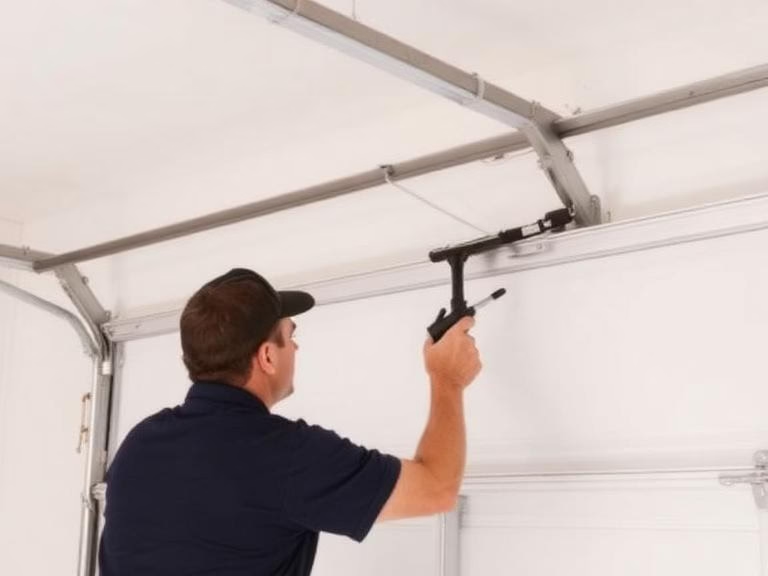
A properly functioning garage door depends on several critical components, but few are as important as the torsion spring system. When a torsion spring becomes worn, damaged, or breaks completely, the garage door can become difficult to operate, unsafe, or stop working altogether. Understanding the importance of garage door torsion spring replacement can help homeowners avoid costly repairs and maintain a safe, reliable garage door system.
What Is a Torsion Spring?
A torsion spring is a tightly wound metal spring mounted above the garage door opening. Its primary purpose is to counterbalance the weight of the garage door, making it easier to open and close.
When the garage door closes, the spring stores mechanical energy. As the door opens, the spring releases that energy, helping lift the heavy door with minimal effort from the garage door opener.
Most modern residential garage doors rely on torsion springs because they offer better durability, smoother operation, and enhanced safety compared to older extension spring systems.
Why Garage Door Torsion Spring Replacement Is Important
A damaged or broken torsion spring can significantly affect the performance of your garage door. Because the spring bears most of the door’s weight, operating the door with a faulty spring can place excessive strain on other components.
Benefits of timely garage door torsion spring replacement include:
- Improved garage door safety
- Smoother door operation
- Reduced wear on the opener
- Longer lifespan of garage door components
- Prevention of costly emergency repairs
- Better door balance and alignment
Ignoring spring problems can eventually lead to additional damage to cables, rollers, tracks, and garage door openers.
Common Signs You Need Garage Door Torsion Spring Replacement
Recognizing the early warning signs of spring failure can help prevent unexpected breakdowns.
The Garage Door Feels Heavy
One of the most noticeable indicators is a garage door that suddenly feels much heavier than normal. This often means the spring is no longer providing adequate lifting support.
The Door Won’t Open Completely
If your garage door opens only a few inches and then stops, the torsion spring may have lost tension or broken entirely.
Visible Gap in the Spring
A broken torsion spring often develops a visible separation in the coil. Even a small gap can indicate complete spring failure.
Loud Bang from the Garage
Many homeowners report hearing a loud snapping or banging noise when a torsion spring breaks. This sound occurs because of the significant tension stored within the spring.
Crooked or Uneven Door Movement
If the garage door appears uneven while opening or closing, one spring may be damaged or worn out.
Increased Strain on the Garage Door Opener
A failing spring forces the opener to work harder, potentially causing premature motor failure.
What Causes Torsion Springs to Wear Out?
Several factors contribute to spring deterioration over time.
Normal Wear and Tear
Most torsion springs are designed for a specific number of cycles. One cycle consists of one complete opening and closing of the garage door.
Typical springs last between 10,000 and 20,000 cycles depending on quality and usage.
Rust and Corrosion
Moisture exposure can cause rust buildup, increasing friction and weakening the spring material.
Lack of Maintenance
Regular lubrication helps reduce friction and extends spring life. Neglected springs often wear out faster.
Temperature Changes
Extreme seasonal temperature fluctuations can affect metal components and accelerate fatigue.
Improper Installation
Incorrect spring sizing or installation can lead to premature failure and unsafe operation.
How Long Do Torsion Springs Last?
The lifespan of torsion springs varies depending on several factors:
- Daily garage door usage
- Spring quality
- Climate conditions
- Maintenance frequency
- Door weight
A standard torsion spring typically lasts between 7 and 12 years for the average homeowner. High-cycle springs may last significantly longer and are often recommended for households that frequently use their garage doors.
The Risks of Delaying Garage Door Torsion Spring Replacement
Some homeowners postpone spring replacement to save money, but doing so often creates larger problems.
Potential risks include:
- Complete garage door failure
- Damaged garage door opener
- Broken cables
- Bent tracks
- Property damage
- Increased repair costs
- Safety hazards for family members
Since torsion springs operate under extreme tension, failures can occur suddenly and without warning.
Professional Garage Door Torsion Spring Replacement Process
Professional technicians follow a detailed process to ensure safe and accurate replacement.
Inspection
The technician evaluates the entire garage door system, including springs, cables, rollers, tracks, and opener components.
Spring Selection
The correct spring size is chosen based on:
- Door weight
- Door height
- Door width
- Usage requirements
Removal of Damaged Springs
The old springs are carefully released and removed using specialized tools.
Installation of New Springs
New torsion springs are installed according to manufacturer specifications.
Balancing and Adjustment
The door is tested and adjusted to ensure proper balance and smooth movement.
Safety Testing
All components are inspected and tested before the job is completed.
Why DIY Torsion Spring Replacement Is Dangerous
Many online tutorials make spring replacement appear simple, but torsion springs contain significant stored energy.
Attempting a DIY repair can result in:
- Serious injuries
- Hand and finger injuries
- Eye injuries
- Property damage
- Improper door balance
- Additional repair expenses
Professional technicians have specialized tools and training to perform the replacement safely.
Choosing the Right Torsion Springs
Not all garage door springs are identical. Selecting the correct spring is essential for performance and safety.
Factors to consider include:
- Wire size
- Spring length
- Spring diameter
- Door weight
- Cycle rating
High-cycle torsion springs are often a worthwhile investment because they provide longer service life and improved reliability.
Benefits of Upgrading During Garage Door Torsion Spring Replacement
Many homeowners choose to upgrade their system during spring replacement.
Possible upgrades include:
- High-cycle springs
- Heavy-duty cables
- Improved bearings
- Reinforced brackets
- Enhanced safety components
These upgrades can improve overall system durability and reduce future maintenance requirements.
Garage Door Maintenance Tips to Extend Spring Life
Proper maintenance helps maximize spring performance.
Lubricate Springs Regularly
Use a garage-door-approved lubricant several times per year.
Schedule Annual Inspections
Professional inspections can identify early signs of wear before major failures occur.
Keep Components Clean
Remove dirt, debris, and moisture from moving parts.
Avoid Excessive Manual Operation
Frequent unnecessary operation increases cycle usage and accelerates wear.
Address Small Issues Quickly
Minor problems can often be corrected before they cause major spring damage.
Frequently Asked Questions
How do I know if my torsion spring is broken?
Common signs include a heavy garage door, a visible gap in the spring, loud snapping noises, and difficulty opening the door.
Can I use my garage door with a broken torsion spring?
It is not recommended. Operating the door may damage the opener and create safety hazards.
How long does garage door torsion spring replacement take?
Most professional replacements can be completed within one to two hours, depending on the door system.
Should both torsion springs be replaced at the same time?
Yes. If your garage door uses two springs, replacing both simultaneously often ensures balanced performance and prevents a second service call shortly afterward.
How often should garage door springs be inspected?
Annual inspections are recommended to identify wear and maintain safe operation.
Are high-cycle torsion springs worth the investment?
For many homeowners, high-cycle springs provide longer lifespan, improved reliability, and reduced long-term maintenance costs.
What happens if I ignore a damaged torsion spring?
Ignoring the problem can lead to opener damage, broken cables, increased repair expenses, and potential safety risks.
Can weather affect torsion springs?
Yes. Moisture, rust, temperature fluctuations, and seasonal changes can all contribute to spring wear and eventual failure.