

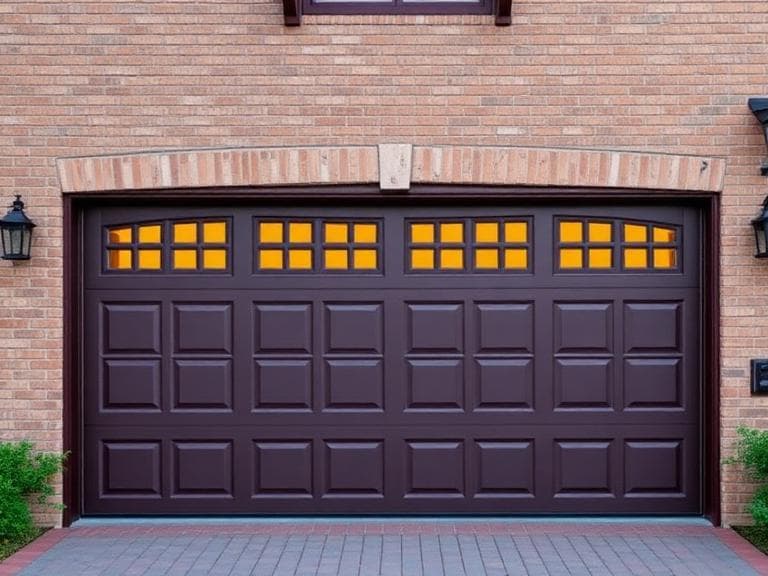
Why Does Cold Weather Matter When Choosing a Garage Door?
Cold temperatures can affect your home's energy efficiency, comfort, and even the performance of your garage door. If you live in an area with long winters, choosing the best garage door for cold weather can help reduce heat loss, protect your belongings, and improve the overall durability of your garage.
A garage door designed for cold climates can provide:
Better insulation
Improved energy efficiency
Reduced heating costs
Enhanced indoor comfort
Greater durability in freezing temperatures
Protection against moisture and drafts
Investing in the right garage door can make a noticeable difference during harsh winter months.
What Features Should the Best Garage Door for Cold Weather Have?
Not all garage doors perform the same in cold climates. Certain features are essential for maintaining efficiency and reliable operation throughout the winter.
Look for features such as:
High-quality insulated panels
High R-value insulation
Durable weather seals
Thermal breaks
Heavy-duty hardware
Wind-resistant construction
Rust-resistant materials
Energy-efficient design
These features help minimize heat loss while protecting the garage from cold air and moisture.
Which Garage Door Material Is Best for Cold Weather?
The material of your garage door plays a significant role in how well it performs during freezing temperatures.
Popular options include:
Steel Garage Doors
Steel garage doors are among the best choices for cold climates because they are durable, low maintenance, and available with high-performance insulation.
Composite Garage Doors
Composite doors offer excellent insulation while providing the appearance of natural wood with less maintenance.
Fiberglass Garage Doors
Fiberglass doors resist moisture and corrosion, making them suitable for areas with snow and humidity.
Choosing an insulated steel or composite garage door is often the best solution for homeowners in colder regions.
Why Is an Insulated Garage Door Recommended?
An insulated garage door is one of the most effective ways to improve comfort and energy efficiency during winter.
Benefits include:
Lower heating costs
Better indoor temperature control
Reduced outside noise
Less condensation
Increased door strength
Improved year-round performance
Greater comfort in attached garages
Insulated garage doors also place less strain on your home's heating system by helping maintain a more consistent indoor temperature.
Why Choose Professional Garage Door Installation?
Even the highest-quality garage door performs best when installed correctly. Professional installation ensures your new garage door is properly sealed, balanced, and adjusted for reliable operation during cold weather.
Professional installation includes:
Accurate measurements
Proper insulation fitting
Weather seal installation
Track alignment
Spring balancing
Garage door opener adjustment
Complete safety testing
Professional installation helps maximize energy efficiency, improve performance, and extend the lifespan of your garage door.
Frequently Asked Questions
What is the best garage door for cold weather?
An insulated steel garage door with a high R-value and durable weather seals is widely considered one of the best options for cold climates.
Why is insulation important for garage doors?
Insulation helps reduce heat loss, improve energy efficiency, maintain comfortable temperatures, and lower heating costs during winter.
What is an R-value in a garage door?
The R-value measures the insulating performance of a garage door. A higher R-value indicates better thermal resistance and improved energy efficiency.
Can a new garage door lower heating costs?
Yes. A well-insulated garage door with quality weather sealing helps reduce drafts and heat loss, which can improve your home's overall energy efficiency.
Does professional installation improve cold-weather performance?
Absolutely. Proper installation ensures tight seals, correct alignment, and optimal insulation, helping your garage door perform efficiently throughout the winter.