

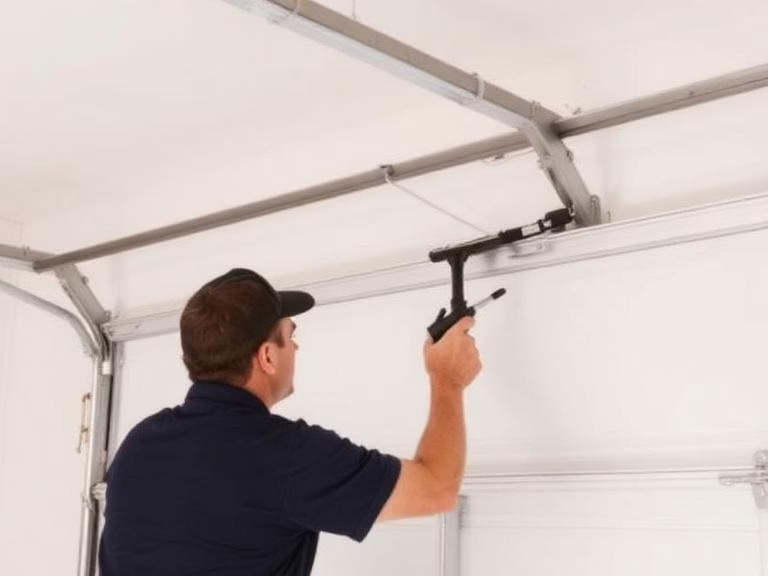
What Is the Most Common Problem With Garage Doors in Edmonton?
The short answer is a broken garage door spring. It is the most common major repair on a garage door. The spring does the heavy lifting each time the door opens. After years of use, the metal gets tired and can snap.
There is one catch. If your door opens but wont close, the spring may be fine. A dirty, blocked, or misaligned safety sensor is a more common cause for that exact symptom.
So the best answer depends on what the door is doing:
- Door will not open or only lifts a few inches: Check for a broken spring.
- Door opens but will not close: Check the safety sensors first.
- Door hangs crooked: Stop. A cable, spring, roller, or track may have failed.
- Door moves but shakes or grinds: Worn rollers, loose hardware, or track trouble may be the cause.
This guide shows Edmonton homeowners how to tell these problems apart. It also explains what you can check safe, and what should be left for a trained garage door technician.
Door stuck, crooked, or unsafe right now? Stop using the opener. Keep people, pets, and vehicles clear. Do not try to move an unstable door.
Why Broken Springs Are the Most Common Major Repair
There is no public Edmonton database that counts every garage door repair. That means no honest company can give a proven local percentage.
There is still good industry evidence. Garage door maker Clopay says broken springs are by far the most frequent garage door problem. The Door & Access Systems Manufacturers Association, or DASMA, also says springs wear out and can cause injury when they break. Its garage door safety guide tells homeowners to have old springs checked by a trained technician.
A spring is part of the counterbalance system. It balances the weight of the door. The opener guides the door, but it isnt meant to lift the full door weight by itself.
When a spring breaks, you may hear a sharp bang. The door may stay shut, lift only a few inches, or feel very heavy. On a torsion spring, you may see a clear gap in the coil above the door.
This is why a broken spring is more than a small parts issue. It can block your car in the garage. It can strain the opener. It can also leave loose cables on the side of the door.
How Long Does a Garage Door Spring Last?
Garage door springs wear by cycles, not just years. One cycle is one full opening and closing of the door.
Asmara installs high-cycle springs rated for 15,000 or more operations when the door setup allows it. The real life of any spring depends on the spring size, door weight, setup, use, and condition of the full system.
Here is how 15,000 cycles can add up:
- 2 cycles each day: About 20 years
- 4 cycles each day: About 10 years
- 6 cycles each day: About 7 years
This is only cycle math. It is not a promise that a spring will last that long. A spring that is the wrong size, badly installed, rusted, nicked, or used on an unbalanced door may fail sooner.
Think about a busy home in Terwillegar, Summerside, Castle Downs, or Lewis Estates. The door may open for a morning commute, school pickup, hockey practice, and an evening errand. Thats alot of cycles in one day.
Does Edmonton Cold Cause Garage Door Springs to Break?
Cold weather gets blamed for many broken springs. The better answer is more careful.
Cold does not mean every good spring will break. Daily use and metal fatigue are the main reasons springs reach the end of their life. A hard cold snap can make an older problem show up at the same time. Thick lubricant, stiff rollers, ice, and a seal frozen to the slab can also add resistance to the full door system.
Edmonton also gets freeze-and-thaw weather. Melting snow can move across the concrete before it freezes again. At a garage, that meltwater can collect where the bottom seal meets the slab.
If the seal freezes to the slab, dont keep pressing the opener button. The motor may pull on a door that is still stuck at the bottom. That can bend the top section, strain the trolley, or cause the cables to lose tension.
Road slush matters too. Wet road residue gets carried into garages on tires during winter. It can dirty low safety sensors and leave moisture near cables, brackets, tracks, and the bottom seal.
The Most Common Problem When a Garage Door Will Not Close
If the door opens normally but refuses to close, look at the safety sensors near the floor. One sits on each side of the opening. They send a beam across the doorway.
The opener will not close the door by remote when that beam is blocked or the sensors are out of line. Both sensors need power, a clear path, and correct alignment.
In an Edmonton garage, a sensor can be blocked by:
- Snow stuck to a vehicle or shovel
- Slush and salt film on the lens
- A garbage bin, bike tire, boot tray, or hockey stick
- A sensor bracket bumped during shovelling
- Loose or damaged low-voltage wire
- Water or age inside the sensor
You may see the opener lights flash. One sensor light may be off or flickering. The door may start down, then go back up.
Try these simple steps:
- Remove every object from the doorway.
- Wipe both sensor lenses with a soft, dry cloth.
- Check if both sensor lights are steady.
- Look for a loose bracket or a wire that has been cut.
- Test the door once.
Do not tape over the sensors or treat them like an optional part. If the lights wont stay steady, stop using the door until the sensor system is inspected.
Match the Symptom to the Likely Garage Door Problem
Use this list from a safe distance. It is a starting point, not a final diagnosis.
- A loud bang, then the door will not open: A broken spring is likely. Stop using the opener and call for spring service.
- A gap in the coil above the door: The torsion spring is broken. Do not touch it or try to move the door.
- The door opens but will not close: A sensor may be blocked or out of line. Clear and clean the sensors, then test once.
- The door is crooked or one cable hangs loose: A cable or spring-system fault may be the cause. Keep clear and do not move the door.
- The door shakes, rattles, or grinds: A roller, hinge, or track may be worn. Stop if movement is rough and book an inspection.
- The opener hums but the door barely moves: A spring may be broken, the door may be jammed, or the opener may have failed. Do not keep trying the motor.
- The remote does nothing but the wall button works: Try a fresh remote battery and check the opener manual.
- The door sticks at the floor after snowmelt: The bottom seal may be frozen to the slab. Stop the opener, clear loose snow, and let the ice release safely.
If the cause is not clear, [book a full garage door repair inspection in Edmonton](/). The inspection should include the springs, cables, drums, rollers, hinges, tracks, opener, and safety reverse system. Fixing just the first visible symptom can miss the real fault.
Local Garage Door Problems Look Different Across Edmonton
The basic parts are the same, but the garage setup can change the risk.
Mature and lane-facing garages
Homes in Strathcona, Ritchie, Bonnie Doon, Beverly, and parts of North Edmonton often have detached or lane-facing garages. Some have older tracks, extension springs, uneven slabs, or no seperate walk-in door.
If the overhead door is the only entry, tell the technician before anyone pulls the emergency release. A broken spring can make the door too heavy to lift safe.
Busy attached garages
Many homes in Windermere, Ambleside, Terwillegar, Summerside, and west Edmonton use a front-attached double door as the main family entry. More daily trips means more spring cycles. A wide insulated door also needs a correctly matched spring system.
Snow and slush near low parts
In Mill Woods, Clareview, Castle Downs, The Hamptons, and across the city, winter slush lands near the bottom seal and photo-eye sensors. Keep that small area clean and dry when you can. Dont spray a pressure washer at the sensor housing or wiring.
These neighbourhood notes do not replace an on-site check. Door age, weight, hardware, slab level, and daily use matter more than a postal code.
What You Can Check Without Taking the Door Apart
Safe homeowner checks are mostly visual.
- Look for an object blocking the doorway.
- Wipe dirt from the safety sensor lenses.
- Check the remote battery.
- Look for a visible gap in the spring from several feet away.
- Look for a loose cable without touching it.
- Read the opener error code in the owners manual.
- Clear loose snow before it melts at the bottom seal.
- Listen for a new bang, scrape, grind, or pop.
DASMA suggests monthly homeowner safety checks and a yearly visit from a trained door technician. A yearly garage door maintenace visit can find a frayed cable, weak balance, loose bracket, or worn roller before the door gets stuck.
Garage Door Repairs You Should Not Do Yourself
Do not loosen, wind, cut, or remove:
- Torsion or extension springs
- Lift cables or cable drums
- Bottom brackets
- A track holding a crooked door
- Hardware on a door that is partly open
These parts can hold stored force. The door itself is also heavy. DASMA says bottom brackets and spring parts should be handled by a trained door systems technician.
Do not pull the red emergency release if the door is open, crooked, or has a broken spring. The opener may be the only part holding it up.
How Edmonton Homeowners Can Lower the Chance of a Breakdown
No maintenace plan can stop normal spring fatigue. It can still catch other wear before one failed part damages more of the door.
Try this local schedule:
Early fall
- Book a balance and safety check if the door is old or used alot.
- Use garage-door lubricant where the door maker says it is safe.
- Check the bottom, side, and top weather seals.
- Clean the tracks without adding heavy grease.
During winter
- Clear snow where the bottom seal lands.
- Wipe slush from low sensors.
- Do not force a door frozen to the slab.
- Stop if the door lifts uneven or sounds very different.
Spring melt
- Look for rust, frayed cable strands, and water marks.
- Check if the bottom seal is torn or pulled from its retainer.
- Watch where roof and driveway meltwater flows.
Every month
- Test the opener safety reversal as the owner manual directs.
- Watch one full cycle from inside the garage.
- Keep kids away from wall controls and moving sections.
When the Problem Needs Same-Day Garage Door Repair
Ask for same-day help when:
- The door is stuck open and the garage is not secure.
- A car is trapped and there is no safe other exit.
- The door hangs crooked or partly off track.
- A spring or cable is broken.
- The door may fall.
- The safety reverse system does not work.
Asmara Garage Door Repair Edmonton is owner-operated in Edmonton. We serve south, west, north, central, and southeast Edmonton, plus nearby communities. We inspect the whole moving system, explain what failed, and give a clear price before approved work starts.
When you request service, tell us where the door is sitting, what you heard, and if a vehicle is trapped. Those details help us plan the visit.
Frequently Asked Questions
What is the most common problem with garage doors?
A broken spring is the most common major garage door repair. If a door opens but will not close, blocked or misaligned safety sensors are a more likely first check.
How do I know if my garage door spring is broken?
You may hear a loud bang. The door may only open a few inches or feel very heavy. A torsion spring above the door may have a visible gap in the coil. Stop using the opener and do not touch the spring or cables.
Can Edmonton cold break a garage door spring?
Cold weather is not the only cause. Springs usualy fail from use and metal fatigue. A cold snap, frozen bottom seal, stiff rollers, or thick lubricant can add resistance and make an older problem show up.
Why does my garage door open but not close?
Check the safety sensor beam first. Snow, slush, dirt, stored items, a bumped bracket, or damaged wire can stop the door from closing. Clean and clear the sensors. If both lights do not stay steady, call for service.
Can I open a garage door with a broken spring?
It is not safe in most cases. The door can be too heavy to control and may fall. If your car is trapped, call a technician instead of forcing the door or pulling the release cord.
Should both garage door springs be replaced?
If two springs were installed together, they have usualy done the same number of cycles. DASMA recommends replacing both when one breaks. A technician should still confirm the door setup, spring condition, and correct sizing.
How much does garage door spring repair cost in Edmonton?
The price depends on door weight, spring type, spring count, cycle rating, access, and any cable or drum damage. Asmara checks the door and confirms the repair price before work begins.
How often should a garage door be serviced in Edmonton?
Once a year is a good rule for most homes. A door used many times each day may need checks sooner. Fall is a usefull time because worn parts, seals, and lubrication can be handled before long cold spells.
---